Health and Safety Policy for Carpet Cleaners
 This health and safety policy sets out the standards expected when carrying out professional carpet cleaning work. It applies to all staff, contractors, and supervisors involved in carpet cleaning services, and it is designed to reduce risk, protect workers, and maintain a safe environment for customers and property. The policy is based on practical control measures, responsible working habits, and a commitment to safe cleaning practices at every stage of the job.
Carpet cleaning can involve water, electricity, cleaning agents, moving equipment, and exposure to slips or awkward working positions. Because of this, every operative must understand the importance of hazard awareness and follow defined procedures. The aim is to ensure that carpet cleaners work efficiently while keeping risks as low as reasonably possible.
 Before any task begins, a basic risk assessment should be completed. This means checking access routes, identifying fragile items, looking for trip hazards, and confirming whether the area is suitable for cleaning. Carpet cleaner safety depends on preparation, so employees must never assume that a space is clear or safe without checking first.
Responsibilities and Safe Working Standards
All workers are responsible for following the company’s safety rules, using equipment correctly, and reporting hazards immediately. Supervisors must ensure that each carpet cleaning team receives appropriate training and understands the safe use of machinery, chemicals, and protective equipment. A strong safety culture supports consistent performance and reduces avoidable incidents.
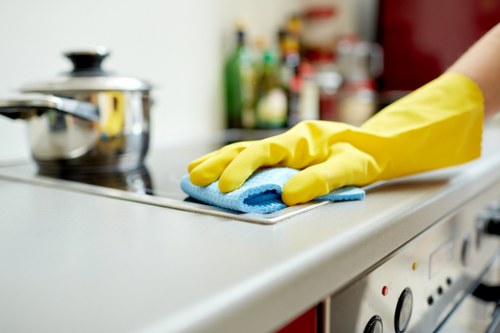
Personal protective equipment should be selected according to the task. This may include gloves, non-slip footwear, eye protection, and, where needed, knee protection. Cleaners should wear clothing that allows safe movement and does not create an entanglement risk. In addition, equipment must be inspected before use so that damaged hoses, plugs, or fittings are not brought into service.
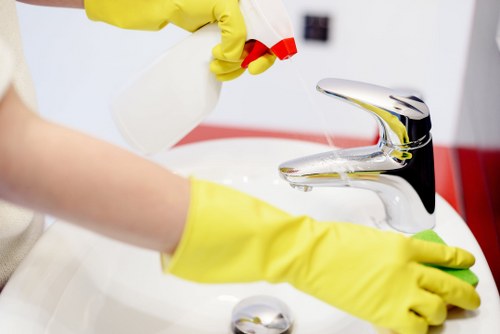
 Cleaning products must be handled in line with manufacturer instructions and internal procedures. Chemicals should be stored securely, labelled clearly, and kept away from food or unauthorised access. When applying any product, staff must avoid overuse and must ensure ventilation is adequate. Carpet cleaning safety policy standards require careful control of chemical exposure, especially in enclosed areas.
Managing Common Risks
Slips, trips, and falls are among the most common hazards in carpet cleaning work. Wet floors, extension leads, and loose items can quickly create unsafe conditions. To reduce risk, work areas should be marked when necessary, equipment should be arranged neatly, and staff should dry or isolate treated surfaces before allowing normal foot traffic. Clear communication helps everyone stay aware of temporary hazards.
Electrical safety is equally important. All powered equipment must be checked for visible damage, and staff should avoid using machines with faulty cables, loose connections, or signs of overheating. Where portable electrical equipment is used, it must be maintained in good condition and handled with care around moisture. A competent approach to professional carpet cleaners safety helps prevent serious accidents.
Manual handling also requires attention. Moving extractors, lifting water containers, and repositioning furniture can place strain on the back, shoulders, and knees. Staff should use proper lifting technique, ask for help with heavier items, and avoid unnecessary twisting or rushing. Good posture and planned movement are essential parts of safe carpet cleaning operations.
Incident Control, Hygiene, and Emergency Response
In the event of a spill, injury, electrical fault, or any other unsafe occurrence, work must stop immediately and the area must be made secure. Minor incidents should be reported without delay, and more serious events must be escalated according to internal procedures. Accurate reporting supports improvement and ensures that recurring hazards can be addressed promptly.
Hygiene standards are also important because carpet cleaning often involves contact with dirt, allergens, and contaminated surfaces. Workers should wash hands after handling chemicals or waste, avoid touching the face during cleaning, and dispose of materials responsibly. Any contaminated cloths or absorbent items should be separated from general waste where required.
 Emergency readiness is part of a reliable carpet cleaners health and safety policy. Staff should know how to respond to chemical exposure, slips, cuts, and equipment failure. First aid resources should be available, and workers must understand when to seek medical attention or leave an area to prevent further harm. A calm and organised response can limit the impact of unexpected events.
Training, Review, and Continuous Improvement
Training is essential for maintaining safe standards. New staff should receive induction on hazard awareness, equipment operation, product handling, and reporting procedures. Refresher training should be provided when methods change, after incidents, or when supervision identifies a need for improvement. Training must be practical, clear, and suited to the type of work carried out.
Policies should not remain static. The business should review this policy regularly to make sure it reflects current equipment, cleaning methods, and safety expectations. Feedback from incident reports, observations, and internal checks can be used to improve performance. This helps create a safer working environment for all personnel involved in carpet cleaning services.
 Ultimately, this policy confirms that safe carpet cleaning depends on preparation, attention to detail, and consistent use of control measures. When workers follow the correct standards, they protect themselves, the property they work in, and the reputation of the business. Safety is a shared responsibility, and it must remain central to every job from start to finish.