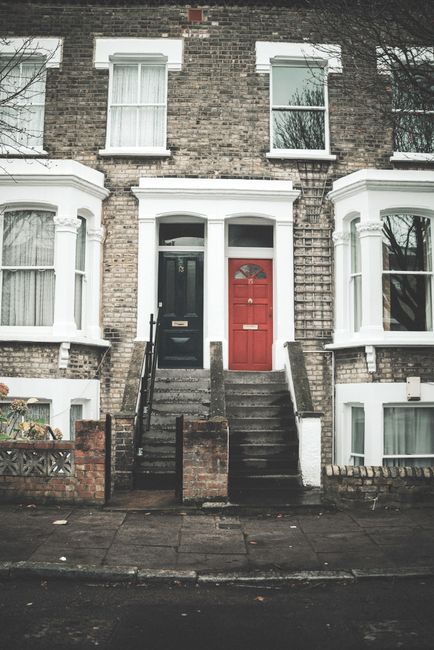
Rushey Green rug cleaning guide for Victorian terraces
Victorian terraces near Rushey Green have a character all their own: narrow hallways, original timber, older subfloors, and rugs that do a lot more than just look nice. They soften echo, hide everyday wear, and make those long front rooms feel warmer in winter. But they also pick up dust, damp, pet hair, and the occasional muddy footprint from a wet Catford afternoon. This Rushey Green rug cleaning guide for Victorian terraces is here to help you clean rugs properly, protect delicate fibres, and avoid the kind of mistakes that can turn a simple refresh into a costly headache.
Whether your rug sits under a sash-windowed bay, lives in a front room with limited ventilation, or needs attention after a spill, the right approach depends on fibre, weave, age, and how much moisture the room can realistically handle. Let's face it: older homes are lovely, but they can be awkward. The good news is that with a bit of method, most rugs can be cleaned safely and brought back to life.
Contents
- Why this matters in Victorian terraces
- How rug cleaning works in older homes
- Key benefits and practical advantages
- Who needs this and when it makes sense
- Step-by-step guidance
- Expert tips for better results
- Common mistakes to avoid
- Tools, resources and recommendations
- Law, compliance and best practice
- Options and method comparison
- Case study / real-world example
- Practical checklist
- Conclusion
- Frequently asked questions
Why Rushey Green rug cleaning guide for Victorian terraces Matters
Victorian terraces create a very specific cleaning environment. Rooms are often long and narrow, ventilation can be patchy, and old floors may hold temperature and damp differently from newer builds. A rug in that setting is exposed to more than spills alone. Dust settles in layers, road grit gets carried in, and any moisture can linger longer than you expect.
That matters because a rug is not just a floor covering. It can trap allergens, absorb odours, and hide soil that gradually wears down fibres. In a terrace, especially one with original features, you may also be dealing with a mix of surfaces: wood, tile, underlay, and sometimes uneven boards. If a rug is over-cleaned or left too wet, the problem can travel to the floor beneath it. Not ideal, to be fair.
There is also a practical side. Many homes near Rushey Green are used hard: family life, pets, visitors, shoes coming in and out, and maybe the occasional takeaway stain that refuses to be graceful. Cleaning the rug properly helps protect the room as a whole. You reduce smells, improve appearance, and stop dirt from grinding deeper into the pile.
If you want a broader look at floor care in the home, the team page for carpet cleaning is a useful starting point, especially when rugs and fitted carpets need a similar level of care. For homes where the rug is only one part of a bigger deep clean, deep cleaning can also be worth considering.
How Rushey Green rug cleaning guide for Victorian terraces Works
Good rug cleaning starts with identification. Before any water, foam, or machine goes near the fibres, you need to know what the rug is made from and how it has been woven. Wool, cotton, jute, viscose, silk blends, and synthetics all behave differently. A wool rug might tolerate careful wet cleaning, while viscose often becomes fragile when over-wet and can lose sheen or texture. That one catches people out quite a lot.
In Victorian terraces, the cleaning method also needs to respect the room itself. Some rugs can be cleaned in place, but only if the floor underneath is suitable and the drying conditions are acceptable. Others are better lifted, dusted, and cleaned off-site or in a controlled way. The old-house question is always the same: how do we clean well without leaving hidden moisture behind?
In professional practice, rug cleaning usually follows a sequence:
- Dry soil removal through vacuuming and dust extraction.
- Fibre and dye testing in a small hidden area.
- Targeted pre-treatment of spots and traffic lanes.
- Careful washing, low-moisture cleaning, or hot-water extraction where appropriate.
- Rinsing or residue removal to prevent sticky build-up.
- Controlled drying with airflow and regular inspection.
That process sounds simple, but the judgement calls matter. In a terrace with limited airflow, drying speed becomes almost as important as stain removal. If you rush the wet stage, you may leave a damp smell or cause wicking, where old stains creep back up as the rug dries. Annoying, but very common.
Some jobs are best handled as part of a wider house refresh. For example, if the rug sits in a room that also needs upholstery care or window cleaning to brighten the space, it can make sense to plan the whole room together rather than in pieces. The service pages for upholstery cleaning and window cleaning show how those jobs often fit together in real homes.
Key Benefits and Practical Advantages
A proper rug clean gives you more than a nicer-looking floor. In older Catford homes, the practical wins are often the real reason people book it.
- Better indoor freshness: dust, cooking odours, pet smells, and damp notes are reduced when the fibres are cleaned properly.
- Longer rug life: removing grit and trapped debris reduces wear on the pile and backing.
- Improved room appearance: colours look sharper and the whole room feels less tired.
- Safer use of the room: a well-cleaned rug is less likely to leave sticky residue or create slippery patches from over-wetting.
- Better for rentals and move-outs: a clean rug can make a room present better during inspections or viewings.
- Less stress: honestly, there is something reassuring about seeing a rug come back to life after it has looked beyond hope for months.
There is also a quiet benefit in Victorian terraces specifically: a clean rug helps balance the feel of the room. Older interiors can pick up a slightly heavy atmosphere if textiles are dusty. Fresh fibres, by contrast, make timber floors, painted skirting, and period features feel crisper.
For homes where the rug is part of regular upkeep rather than a one-off rescue job, regular cleaning can help you stay ahead of build-up instead of chasing it later. And if pets are part of the picture, the dedicated pet stain odour removal approach is often the difference between masking a smell and actually dealing with it.
Who This Is For and When It Makes Sense
This guide is for anyone living in, renting, managing, or helping maintain a Victorian terrace around Rushey Green who wants rugs cleaned properly rather than quickly. That includes homeowners with heirloom pieces, tenants preparing for a check-out, landlords wanting a tidy presentation, and families with busy front rooms that take a fair bit of daily traffic.
It is especially useful if your rug has one of these problems:
- visible footpaths down the middle
- drink spills or food marks
- pet smells or accident spots
- dust build-up in winter
- a musty odour after storage or damp weather
- fraying edges or colour bleeding concerns
- delicate fibres that make you nervous to touch it, which is fair enough
It also makes sense if the room itself is part of a larger clean. In a terrace, the front room often doubles as a reception room, play area, or occasional dining space. That means the rug is absorbing a lot of life, not just dust. If your cleaning plan also involves the wider home, domestic cleaning or a one-off reset via one-off cleaning can make the entire job easier to manage.
For tenants and landlords, rug care can be a surprisingly visible detail during check-in or check-out. If the property is being prepared for a handover, end of tenancy cleaning is often the practical umbrella service under which textile care sits. Little details matter in old homes. They just do.
Step-by-Step Guidance
Here is a sensible approach for most rugs in a Victorian terrace. It is not fancy. It is careful, methodical, and far less likely to go wrong than the "just chuck some cleaner at it" method.
1. Check the rug before you clean it
Look for labels, tags, fibre type, backing damage, loose threads, stains, and signs of colour sensitivity. If you do not know the material, treat it as delicate until proven otherwise. Older rugs can have patched repairs, weak seams, or backing that has gone brittle over time.
2. Vacuum thoroughly, but gently
Remove dry soil on both sides if possible. Use a suction-only setting for delicate pieces. If the rug is thin or old, avoid aggressive beater bars. In terraced homes, grit from shoes is usually the silent enemy, not the obvious spill.
3. Test for colourfastness
Blot a tiny hidden corner with a damp white cloth and a small amount of approved cleaner. If colour transfers, stop. This is one of those moments where a little caution saves a lot of regret later.
4. Deal with dry debris and spots first
Pick up crumbs, pet hair, and loose particles before any wet cleaning. Then pre-treat visible spots with the mildest suitable product. Let it dwell only as long as recommended. Over-soaking is a common mistake and, in a terrace, it can mean slow drying plus musty backing.
5. Choose the right cleaning method
For synthetic rugs or sturdier blends, low-moisture cleaning or careful extraction may work well. For wool, controlled damp cleaning is usually safer. For viscose, antique pieces, jute, or handmade rugs, less is often more. In some cases, the best answer is specialist rug cleaning rather than an at-home attempt.
6. Rinse or remove residue properly
Cleaning solution that remains in the fibres can attract new soil quickly. That means the rug may look clean for a week and then seem dull again. Not great. Make sure residues are minimised, whether you are using a machine or hand cleaning.
7. Dry with airflow, not heat alone
Open windows where safe, use airflow, and keep the rug flat or properly supported. In an older terrace, air movement matters more than blasting hot air. If possible, lift the rug slightly to allow circulation on both sides. Never put furniture back too soon. That seems obvious, yet it happens all the time.
8. Finish with grooming and inspection
Once dry, brush the pile gently in the right direction and check for lingering marks, rippling, or smells. If a stain has wicked back, do not panic and re-soak it. Reassess the spot and treat it selectively.
If the rug is heavily soiled or you are dealing with a tricky fibre type, it can be smarter to combine rug care with a broader textile refresh such as steam carpet cleaning where appropriate, or targeted stain removal for problem areas rather than trying to over-clean the whole piece.
Expert Tips for Better Results
There are a few habits that make a real difference. Nothing dramatic. Just the kind of small refinements that save time and protect the rug.
- Always lift before you flood: if moisture might seep through to wood or a breathable underlay, stop and rethink the method.
- Work from the outside in: this helps stop stains spreading wider.
- Blot, don't rub: rubbing roughens fibres and pushes the stain deeper. It also makes the rug look tired faster.
- Use white cloths: coloured cloths can transfer dye. Simple detail, big difference.
- Dry faster than you think you need to: in older rooms, "mostly dry" is not quite dry enough.
- Keep an eye on the underlay: a rug can look fine while the layer beneath is still damp.
Here is a practical one from real life: if you spill tea on a wool rug in a front room and the room is cool, do not rush to saturate the area with cleaner. Blot first, then use a minimal amount of solution. The smell of damp wool can linger longer than the stain itself, and nobody wants that on a cold January evening.
If a rug is part of a larger furniture and fabric care plan, the sofa cleaning and curtain cleaning services are worth thinking about at the same time. It is often the surrounding fabrics, not just the rug, that make a room feel dull.
Common Mistakes to Avoid
Most rug damage during cleaning happens because someone means well and moves too quickly. Here are the repeat offenders.
- Using too much water: it causes slow drying, backing damage, and recurring odours.
- Skipping fibre checks: not every rug can handle the same process.
- Using strong bleach or harsh household products: these can strip dye or weaken fibres.
- Scrubbing aggressively: this distorts the pile and can create a worn patch that never quite disappears.
- Ignoring the backing: some rugs fail underneath before they fail on top.
- Putting furniture back too early: damp indentations and trapped moisture are a boring little disaster.
One less obvious mistake is cleaning a rug in a poorly ventilated room and then closing the windows because you do not want the house to feel chilly. Fair enough in winter, but the rug would really rather breathe. A short burst of ventilation can save days of lingering damp.
Another one: assuming every mark is a stain. Sometimes it is just embedded soil or a fibre twist. Treating the wrong problem can make matters worse.
Tools, Resources and Recommendations
You do not need a van full of equipment, but a small, sensible kit helps. For most household rug care, these are the basics:
- a good vacuum with adjustable suction
- soft brushes for pile grooming
- white microfibre cloths or lint-free towels
- a bucket for clean rinse water
- mild detergent suitable for the fibre type
- spotting solution for targeted stain work
- fans or airflow support for drying
- protective gloves if you are handling older soils or pet stains
For a house-wide refresh, it can help to pair rug care with related services such as house cleaning or move-in cleaning if you are settling into a new terrace and want everything to feel properly reset. If the room is part of a fuller textile or hard-surface project, hard floor cleaning can complement the rug work nicely, especially in mixed-material living spaces.
Recommendations, in plain English: use the least aggressive method that gets the job done, and always think about drying. The rug can survive a lot more than the floor underneath if you are careless.
Law, Compliance, Standards, or Best Practice
For most homeowners, rug cleaning is not a regulated activity in the formal sense. Still, good practice matters, especially if you are hiring someone to work inside your home. A reputable cleaning provider should be clear about safety, insurance, handling methods, and what happens if a fibre is delicate or a stain is not removable.
In the UK, the practical expectations are straightforward: cleaners should use products and methods safely, respect property, and avoid making claims they cannot support. If you are arranging a service, it is sensible to look for clear terms, insurance information, and straightforward payment details. That is just good sense, honestly.
You can review useful trust and service information on pages such as about us, insurance and safety, health and safety policy, payment and security, pricing and quotes, terms and conditions, and privacy policy. These are the sort of details that matter when you are inviting someone into a lived-in terrace with rugs you care about.
If a rug is especially valuable, antique, or sentimental, best practice is to ask for a cautious approach and an honest assessment first. Not every rug needs full wet cleaning. Some need dusting, controlled spot treatment, or even nothing more than careful maintenance.
Options, Methods, or Comparison Table
Different rugs and rooms call for different methods. Here is a simple comparison to help you decide what fits best.
| Method | Best for | Pros | Watch-outs |
|---|---|---|---|
| Vacuum and spot clean | Light maintenance, newer rugs, in-between care | Quick, low risk, inexpensive | Won't remove deep soil |
| Hand cleaning | Delicate rugs, small stains, careful maintenance | Good control, minimal equipment | Can be slow; easy to over-wet if rushed |
| Low-moisture machine cleaning | Synthetic rugs and sturdier blends | Faster drying, more even results | May not suit fragile fibres |
| Hot-water extraction | Robust rugs with ingrained dirt | Strong soil removal | Too much moisture if the rug or room is sensitive |
| Specialist rug cleaning | Antique, wool, viscose, silk, or valuable pieces | Best chance of safe, tailored care | Usually more expensive than basic cleaning |
Truth be told, the best method is not always the most powerful one. It is the one that suits the fibre, the room, and the drying conditions. In Victorian terraces, that usually means being a bit more careful than you think you need to be.
Case Study or Real-World Example
A typical Rushey Green job might look like this. A family living in a mid-terrace has a wool-blend rug in the front room. The room gets plenty of foot traffic, a dog naps on the rug by the radiator, and a coffee spill from a hurried morning has dried into a faint ring near the edge. The rug looks dull rather than dirty-dirty, which is often the trickiest state because people stop noticing it.
The first step is a dry vacuum, front and back where possible, to lift grit and dog hair. Then a small colourfast test is done in a tucked-away corner. A mild pre-treatment is applied to the coffee spot and a light traffic pattern down the centre. Because the room is in a Victorian terrace with average airflow and a timber floor beneath, the cleaning approach is kept controlled and not too wet.
After treatment, the rug is dried with good airflow and checked a few times. The result is not just a cleaner rug. The room feels brighter, the dog smell has eased, and the client notices the front room no longer carries that slightly stale, winter-textile scent. Small thing? Maybe. But it changes how the whole house feels when you walk in after work.
If you are making a bigger reset of the home around the same time, services like move out cleaning, oven cleaning, or even patio cleaning can fit into the same planning window. It depends on whether you are settling in, preparing to leave, or simply reclaiming the place from everyday life.
Practical Checklist
Before you clean, run through this. It saves mistakes. Really, it does.
- Identify the fibre type if possible.
- Check for wear, loose seams, or weak backing.
- Vacuum both sides if the rug allows it.
- Test a hidden area for colour transfer.
- Choose the mildest suitable method.
- Protect timber or sensitive floors underneath.
- Blot stains instead of scrubbing them.
- Use minimal moisture, especially in cooler rooms.
- Dry with airflow and patience.
- Inspect the rug again once fully dry.
Expert summary: in a Victorian terrace, the safest rug clean is usually the one that respects fibre, floor, and airflow all at once. If any one of those gets ignored, the result can be disappointing even when the rug looks clean on day one.
Get in touch if you want the rug assessed properly, especially if it is delicate, heavily marked, or part of a broader home refresh. A careful plan now usually saves time, money, and a bit of stress later.
Get a free quote today and see how much you can save.
Conclusion
A rug in a Rushey Green Victorian terrace does a lot of work. It warms the room, softens the echo, and quietly collects the story of the home. The right cleaning approach should respect that. Keep moisture controlled, match the method to the fibre, and pay attention to drying, because that is where many problems begin.
If you remember only one thing from this guide, make it this: careful rug cleaning is less about force and more about judgement. That is especially true in older terraces, where the room beneath the rug can be just as important as the rug itself. A little patience goes a long way. And sometimes, thankfully, that is enough.
For readers comparing services and planning a broader tidy-up, the most useful next step is usually to review the relevant service pages, check practical policy information, and decide whether you need spot treatment, a full clean, or a broader home refresh. Either way, you are not far from making the place feel good again.
Frequently Asked Questions
How often should I clean a rug in a Victorian terrace?
It depends on traffic, pets, and how much dirt gets brought in, but most rugs benefit from regular vacuuming and periodic deeper cleaning. Busy family homes usually need attention more often than guest rooms or low-use spaces.
Can I clean a wool rug myself?
Yes, but carefully. Wool can usually handle gentle cleaning, yet it does not like harsh chemicals, heavy scrubbing, or too much water. Always test first and work conservatively.
Are old rugs safe to steam clean?
Not always. Older rugs, especially antique or delicate pieces, may be damaged by excess moisture or heat. A specialist assessment is the safer route if you are unsure.
Why does my rug smell damp after cleaning?
That usually means moisture remained in the fibres or backing for too long. In older terraces with slower airflow, drying is a big part of the job. Good ventilation and minimal water make a huge difference.
What is the best way to remove pet odours from a rug?
Start with thorough drying and a suitable odour treatment. If the smell has soaked into the backing, surface cleaning alone may not be enough. That is where targeted pet stain odour removal can help.
Will rug cleaning damage my Victorian floorboards underneath?
It can if the rug is over-wet or left damp. That is why lift-and-dry planning matters so much in older homes. Protecting the floor beneath is part of proper rug care.
Should I clean the rug before or after other house cleaning jobs?
If the room is dusty or you are doing a bigger reset, clean the wider space first and the rug after. That way you are not undoing your own work. It is one of those practical sequencing things that saves hassle.
How do I know if a stain can be removed?
Fresh stains are usually easier than old ones, but fibre type and the staining material matter too. Coffee, wine, grease, pet accidents, and dye transfer all behave differently. A careful spot test is the first step.
Is off-site rug cleaning better than cleaning in the room?
For fragile, valuable, or heavily soiled rugs, off-site or specialist cleaning is often safer because drying and rinsing can be better controlled. In-room cleaning can work well for sturdier rugs if moisture is carefully managed.
Can I use supermarket stain removers on my rug?
Sometimes, but be cautious. Many generic products are too strong for wool, viscose, or older handmade rugs. If in doubt, test in an unseen area first or choose a gentler specialist approach.
What should I ask before booking a professional rug clean?
Ask about fibre suitability, drying method, insurance, stain handling, and what happens if the rug is more delicate than expected. Clear answers are usually a good sign. If they sound vague, that is worth noting.
Can rug cleaning be combined with other services in one visit?
Yes, and that is often the sensible option. Depending on the room and the property, people often combine rug care with sofa cleaning, curtain cleaning, house cleaning, or regular cleaning so the whole space feels consistent.