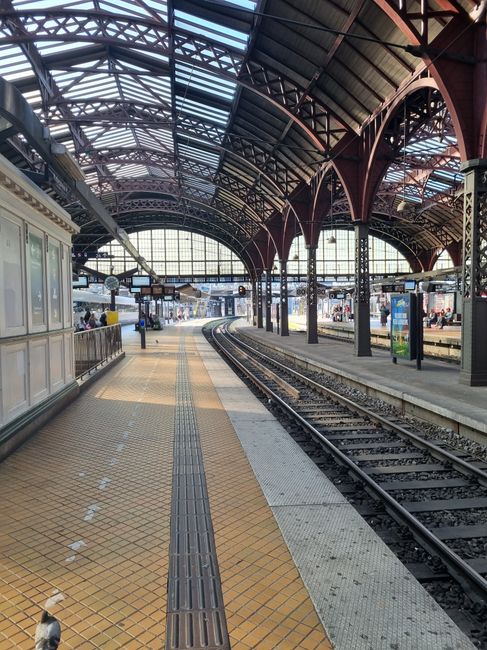
Catford Bridge station upholstery cleaning for commuters
If you commute through Catford Bridge, you already know the rhythm: early trains, damp coats, takeaway coffee, a quick sit-down, and then off again before the day properly begins. That routine is exactly why upholstery starts looking tired faster than people expect. Catford Bridge station upholstery cleaning for commuters is about keeping shared seats, benches, waiting-area fabric, and soft furnishings fresh, hygienic, and more comfortable for the next person who sits down.
It is not just about appearances either. In busy commuter spaces, upholstery collects dust, body oils, drink spills, mud, pollen, and the occasional mystery mark that nobody wants to claim. A proper cleaning approach helps reduce odours, supports a better first impression, and makes the space feel calmer and better cared for. Below, you will find a practical guide to what this type of cleaning involves, how it works, who needs it, and what to avoid if you want results that actually last.
Table of Contents
- Why Catford Bridge station upholstery cleaning for commuters matters
- How Catford Bridge station upholstery cleaning for commuters works
- Key benefits and practical advantages
- Who this is for and when it makes sense
- Step-by-step guidance
- Expert tips for better results
- Common mistakes to avoid
- Tools, resources and recommendations
- Law, compliance, standards, and best practice
- Options, methods, or comparison table
- Case study or real-world example
- Practical checklist
- Conclusion
- Frequently asked questions
Why Catford Bridge station upholstery cleaning for commuters Matters
Commuter upholstery gets used hard. People sit for short bursts, often while carrying bags, drinks, umbrellas, and whatever the London weather has decided to throw at them that day. By midweek, soft seating can start looking flat, dull, and a bit grimy around the edges. Truth be told, most people only notice it when it has already crossed that line.
For stations and nearby transport-adjacent spaces, clean upholstery matters for three straightforward reasons. First, it improves comfort. Nobody enjoys sitting on a sticky or musty seat while waiting for a train. Second, it helps hygiene and odour control. Fabric holds onto smells more than hard surfaces do, especially in enclosed waiting areas. Third, it affects perception. A well-kept seat tells commuters that the place is looked after, which can make the whole journey feel less stressful. Small thing, maybe. But it adds up.
If upholstery cleaning is part of a wider routine, it works best alongside communal area cleaning and regular upkeep of nearby flooring, touchpoints, and windows. That broader approach helps the whole environment feel cleaner, not just one visible item in isolation.
Expert summary: For commuter-facing spaces, upholstery cleaning works best when it is preventative, not reactive. Waiting until fabric smells bad or looks heavily marked usually means more effort, longer drying times, and less predictable results.
How Catford Bridge station upholstery cleaning for commuters Works
Upholstery cleaning is usually a staged process rather than one big scrub-and-done job. The exact method depends on the fabric type, the level of soiling, and how quickly the seating needs to be back in use. In a commuter setting, speed and careful moisture control matter just as much as deep cleaning power. No one wants seats out of action for ages, especially in a busy station environment.
Most professional cleaning starts with inspection. That means checking the fabric construction, identifying stains, looking for wear, and spotting any problem areas such as loose seams or embedded debris. Then comes vacuuming, which removes loose grit and dust before any liquid is introduced. Skipping that step is a classic shortcut, and it usually backfires.
After that, a suitable cleaning solution may be applied. Depending on the material, a technician might use low-moisture extraction, steam-based treatment, or a targeted stain-removal method for specific marks. Some fabrics need gentle agitation; others need a very light touch. The aim is to lift grime from the fibres without damaging the upholstery or leaving it overly wet.
Drying is a big part of the job. In public or semi-public spaces, drying should be planned so the area can return to service safely and quickly. Fans, airflow, and sensible scheduling all help. If you are also looking at broader fabric care, a service such as professional upholstery cleaning is often the right starting point, while steam carpet cleaning may be useful for nearby floor coverings that are affected by the same foot traffic.
On a practical note, good cleaning is never just "make it wet and hope." That tends to create tide marks, lingering moisture, and a slightly sour smell the next day. Not ideal.
Key Benefits and Practical Advantages
The benefits of upholstery cleaning for commuters go beyond the obvious visual refresh. Yes, cleaner fabric looks better, but the real value is in comfort, durability, and consistency. Busy spaces are judged quickly and instinctively. People notice when a seat feels cared for.
- Better first impressions: Fresh upholstery makes waiting areas feel more orderly and welcoming.
- Improved odour control: Fabric can trap coffee spills, rainwater, food smells, and everyday commuter odours.
- Longer fabric life: Regular care helps prevent embedded grime from wearing fibres down over time.
- More comfortable seating: Clean, dry, well-maintained upholstery feels better to use, plain and simple.
- Reduced visible staining: Prompt treatment helps stop marks from becoming permanent fixtures.
- Better overall environment: Clean seating supports the wider look and feel of the station or nearby premises.
There is also a practical operational benefit: regular cleaning often makes future maintenance easier. Light soil is easier to remove than old, set-in grime. That means less disruption, fewer aggressive treatments, and a better chance of keeping the original upholstery looking respectable for longer.
For nearby businesses or property managers, it can also make sense to align upholstery care with other services such as office cleaning, deep cleaning, or even one-off cleaning after particularly busy periods. A small bit of planning saves a lot of scrambling later.
Who This Is For and When It Makes Sense
This kind of service is for anyone responsible for soft furnishings in a commuter-heavy environment. That includes station-adjacent businesses, managed buildings, waiting areas, offices near the station, and residential properties that see heavy foot traffic from people rushing in and out each day.
It makes sense when you notice any of the following:
- seating looks visibly dingy or flattened
- odours linger even after routine cleaning
- there are coffee, tea, food, or mud stains
- the fabric has not been professionally cleaned for a long time
- people are avoiding certain seats because they look uninviting
- there has been a recent spill, weather event, or increase in use
It is also sensible after seasonal weather changes. Late autumn and winter are obvious culprits because wet coats, umbrellas, and outdoor grime get dragged indoors. But summer can be just as messy with heat, sweat, sunscreen residue, and more people leaving drinks around. Different messes, same headache.
If you are managing a mixed-use property or a commuter-facing entrance, upholstery cleaning can sit alongside domestic cleaning for residential parts of the building or commercial cleaning for business-facing areas. The important thing is matching the cleaning plan to how the space is actually used, not how you wish it were used.
Step-by-Step Guidance
If you are arranging upholstery cleaning around Catford Bridge station, a simple process keeps everything manageable. Here is the version that tends to work best in real life.
- Assess the fabric and the problem areas. Identify what type of upholstery you are dealing with and where the worst marks, smells, or wear are concentrated.
- Remove loose dirt first. Vacuum thoroughly, including seams, corners, and under cushions where applicable.
- Test the cleaning approach. A discreet patch test helps avoid colour bleed, texture changes, or water marks.
- Apply the right method. Choose a process suited to the fabric rather than forcing one universal solution onto everything.
- Treat stains individually. Coffee, grease, mud, and organic marks often need different handling.
- Extract residue and moisture. Cleaning solution left behind can attract fresh dirt, so proper removal matters.
- Dry with airflow. Good drying is essential in commuter settings where the space needs to be reused quickly.
- Check the result. Look for remaining marks, odour, shrinkage, or damp patches before reopening the seating fully.
A realistic example: a small waiting bench near a busy entrance may need a light but frequent clean because people sit down briefly while holding wet luggage or hot drinks. A fabric sofa in a staff area, on the other hand, might need less frequent but more thorough maintenance. Same building. Different usage. Different cleaning rhythm.
Expert Tips for Better Results
There are a few habits that make a real difference. None of them are glamorous, but they work.
- Act quickly on spills. The first 10 to 20 minutes often matter more than people think. Blot, don't rub.
- Use the least aggressive method that will do the job. Harsh treatment can flatten fibres or leave patches.
- Think about airflow. Open doors, fans, and sensible scheduling reduce downtime.
- Clean surrounding areas too. Nearby carpets, hard floors, and touchpoints can re-soil upholstery if ignored.
- Keep a fabric record. Knowing what has been treated before helps avoid repeat damage.
- Use targeted stain work. A single stain often needs a different technique than the surrounding fabric.
One small but useful tip: if the seating is in a public or semi-public area, schedule cleaning before the busiest part of the day, not during it. You avoid awkward interruptions, and the drying process gets a cleaner start. Seems obvious, but it gets missed surprisingly often.
If you are dealing with stubborn marks or recurring smells, it may be worth linking upholstery care with stain removal or pet stain odour removal where relevant in residential-adjacent spaces. In my experience, odour problems often hide a bit deeper than the visible stain suggests.
Common Mistakes to Avoid
Let's face it: upholstery cleaning looks easier than it really is. That is exactly why mistakes happen. Some are harmless, some are expensive, and a few just make the seating look worse than before.
- Over-wetting the fabric: Too much moisture can leave marks, slow drying, and create odour issues.
- Using the wrong product: A cleaner that works on one textile can damage another.
- Scrubbing too hard: This can push stains deeper or rough up the fabric pile.
- Ignoring the stain source: If the spill has seeped into foam, the visible surface is only part of the issue.
- Skipping drying time: Seating used too early can re-soil quickly and feel unpleasant to sit on.
- Cleaning only the visible spot: Patchy cleaning often creates a "halo" effect around the mark.
A common one is trying to hide a stain with a stronger product. It rarely ends well. Better to work carefully, especially on communal seating where a bad repair job is more noticeable than the original spill. Bit annoying, but true.
Tools, Resources and Recommendations
Good upholstery cleaning relies on sensible tools, not just enthusiasm. The right kit depends on the fabric and the level of use, but a few items are consistently helpful.
- Commercial vacuum cleaner: For removing grit, crumbs, and dust from seams and edges.
- Fabric-safe cleaning solutions: These should be suitable for the upholstery type, not one-size-fits-all.
- Microfibre cloths: Useful for controlled blotting and residue removal.
- Soft brushes: Helpful where light agitation is needed without damaging fibres.
- Air movers or fans: Important for quick, even drying in commuter environments.
- Protective gloves and basic safety gear: Sensible for handling cleaners and working in busy spaces.
For broader soft-furnishing care, you may also want to consider sofa cleaning for lounge or waiting-room seating, rug cleaning for decorative floor textiles, and curtain cleaning where fabric dust and odours are part of the same problem. Nearby windows can matter too, because cleaner glass and cleaner seating together create a much fresher impression than either one alone.
If you are planning work around a larger property refresh, it can be sensible to pair upholstery with window cleaning, hard floor cleaning, or even regular cleaning for ongoing maintenance. The right combination depends on the traffic patterns and the type of use, not just the budget.
Law, Compliance, Standards, and Best Practice
For cleaning in commuter-facing spaces, the big principle is simple: work safely, use suitable products, and avoid creating slip, trip, or irritation risks. In the UK, employers and building managers have general duties around health and safety, so cleaning methods should not leave surfaces dangerously wet or expose people to harsh residue. That is especially relevant in a place where people are moving quickly and not always looking down. Which, frankly, is most of us.
Best practice usually includes:
- checking fabric compatibility before treatment
- following product instructions carefully
- controlling moisture to reduce damage and slip risks
- keeping the area ventilated during and after cleaning
- using appropriate PPE where needed
- documenting any unusual staining, wear, or safety concerns
If you are choosing a provider, it is sensible to look at their general standards and operational approach. Pages such as health and safety policy, insurance and safety, and terms and conditions help you understand how they approach risk, responsibility, and service expectations. You may also want to review recycling and sustainability if environmentally considerate product use matters to your organisation.
There is no one universal rule for every textile or every building. That is why careful inspection and measured cleaning are more trustworthy than big promises. Good practice is usually a lot less dramatic than marketing language makes it sound. And that is a good thing.
Options, Methods, or Comparison Table
Different upholstery cleaning methods suit different commuter settings. The right choice depends on fabric type, drying time, staining, and how quickly the area needs to return to use.
| Method | Best for | Strengths | Watch-outs |
|---|---|---|---|
| Low-moisture cleaning | Busy seating areas, regular maintenance | Faster drying, lower disruption | May need extra spot treatment for heavy stains |
| Steam or hot-water extraction | Deeper soil and odour build-up | Strong cleaning power, good for embedded grime | Needs controlled drying and suitable fabric |
| Targeted stain removal | Fresh spills or specific marks | Focused treatment with less disturbance | Works best when done quickly |
| Scheduled maintenance clean | Regular commuter use | Keeps upholstery presentable and easier to manage | Needs consistency, not just occasional action |
In most commuter settings, a mixed approach is best. Light maintenance between deeper cleans keeps the seating looking good without overhandling the fabric. That balance really matters.
Case Study or Real-World Example
Here is a realistic example from the kind of situation many readers will recognise. A small waiting area near a commuter route had upholstered benches that looked fine from a distance but started to smell slightly stale on damp mornings. Nothing dramatic. Just that faint, musty mix of rain, coffee, and daily wear that makes people sit somewhere else if they can.
The cleaning plan began with inspection and a careful vacuum, especially around seams where crumbs and grit had settled. The most visible marks were near the armrests and seat edges, where hands, bags, and wet coats had been brushing past day after day. A fabric-safe treatment was used, followed by targeted stain work on one coffee mark and one muddy patch. The area was then dried with good airflow before being returned to use.
The important lesson was not that the process was complicated. It was that the result came from matching method to setting. If they had used too much moisture, the benches would have been out of action for longer and probably smelled worse before they smelled better. Instead, the space felt noticeably fresher the same day, and people stopped avoiding the back row. Small win, but a real one.
That is the kind of outcome good upholstery cleaning should aim for: not perfection for its own sake, but a space that feels looked after and easy to use.
Practical Checklist
Use this quick checklist before arranging or carrying out commuter upholstery cleaning:
- Identify the fabric type and check if it needs special treatment.
- Inspect for stains, odours, loose stitching, or worn patches.
- Vacuum thoroughly before any liquid cleaning starts.
- Choose a method that suits the fabric and the available drying time.
- Test any product on a hidden area first.
- Treat stains individually rather than flooding the whole surface.
- Control moisture carefully to avoid water marks and long drying times.
- Use fans or airflow to speed up drying where possible.
- Check the result before putting the seating back into normal use.
- Build a regular cleaning schedule so problems do not pile up.
If you want the job to stay manageable, keep a simple record of what was cleaned, what product was used, and whether any stains came back. Boring admin, yes. But helpful later.
Conclusion
Catford Bridge station upholstery cleaning for commuters is really about keeping everyday spaces comfortable, presentable, and sensible to use. Clean seating does not just look better; it supports better hygiene, better atmosphere, and better long-term care of the fabric itself. In a high-traffic commuter environment, that matters more than people often realise until the space starts to feel worn out.
The best results come from a steady, fabric-aware approach: inspect first, clean carefully, dry properly, and keep on top of stains before they settle in. That is the difference between a seat that quietly does its job and one that makes everyone shift uncomfortably for no reason.
If you are planning a cleaning refresh for a station-adjacent property, start with the soft furnishings and build outward from there. It is a small improvement that changes the feel of the whole space. And honestly, on a wet London morning, that little bit of freshness can make more difference than you would expect.
Get a free quote today and see how much you can save.
Frequently Asked Questions
What is Catford Bridge station upholstery cleaning for commuters?
It is the cleaning and care of upholstered seating and other soft furnishings in commuter-facing spaces near Catford Bridge station. The aim is to remove dirt, stains, and odours while keeping the fabric comfortable and presentable.
How often should commuter upholstery be cleaned?
That depends on foot traffic, fabric type, and how quickly stains appear. In busy areas, light maintenance should happen regularly, with deeper cleaning scheduled as needed rather than left until the upholstery looks obviously tired.
Can upholstery be cleaned without shutting the area for long?
Often, yes. Low-moisture methods and careful scheduling can reduce downtime. The key is choosing a process that suits the fabric and allows for sensible drying before the seating is used again.
What is the best method for removing coffee stains from fabric seating?
Fresh coffee marks usually respond best to prompt blotting and a fabric-safe stain treatment. Older stains may need more targeted work, and sometimes the surrounding fabric needs a light clean as well to prevent a visible ring.
Does steam cleaning work on all upholstery?
No, and that is where people sometimes get caught out. Some fabrics handle deeper moisture-based cleaning well, while others can shrink, mark, or distort. A proper inspection should happen first.
How do you stop upholstery from smelling damp after cleaning?
Control the amount of moisture used, improve airflow, and make sure drying is complete before the area goes back into service. Lingering dampness is usually a sign that too much water was used or drying was too slow.
Is upholstery cleaning worth it for small waiting areas?
Yes, especially if the seating gets regular use. Even one or two benches can shape how clean and comfortable the whole area feels. Small spaces can actually show wear faster because every mark stands out more.
What should I check before booking upholstery cleaning?
Check the fabric type, the stains present, the expected drying time, and any relevant safety or insurance details. It also helps to look at how the cleaner handles related services and service standards.
Can cleaning damage old or worn seating?
It can, if the wrong method is used. Older upholstery may need a gentler approach, more patch testing, and less moisture. Good cleaners adjust the process rather than forcing one method onto every piece of fabric.
What are the signs that upholstery needs professional attention?
Visible grime, recurring odours, set-in stains, flattened fabric, or seating that people are avoiding are all strong signals. If routine vacuuming is no longer enough, it is time to take it seriously.
How does upholstery cleaning fit into wider property maintenance?
It works best alongside broader care such as communal area cleaning, carpet maintenance, hard floor cleaning, and regular cleaning. Treating the soft furnishings as part of the whole environment usually gives the best result.
What is the safest approach for heavily used commuter seating?
A fabric-specific, low-risk method with controlled moisture, proper drying, and careful spot treatment is usually safest. The goal is to clean well without creating new problems such as water marks, slip risks, or fabric distortion.