Catford Broadway carpet cleaning tips for flats and shops
Posted on 20/06/2026
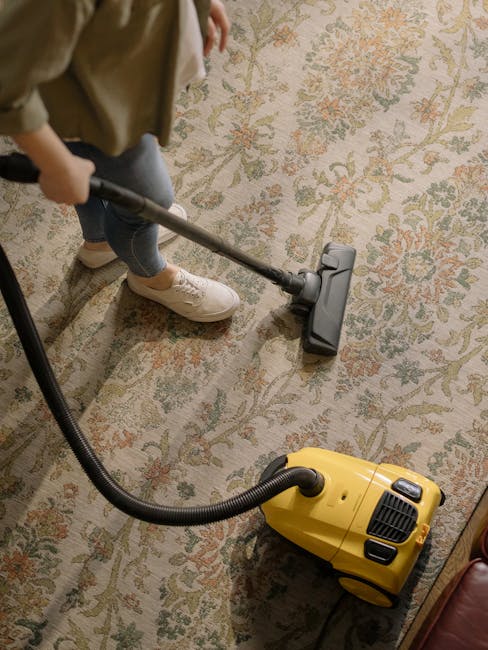
If you live or work around Catford Broadway, you already know carpets take a beating in different ways. In flats, it's muddy shoes, hallway traffic, pets, and the odd spill that seems to appear out of nowhere. In shops, it's constant footfall, stock movement, weather coming in from the pavement, and the pressure to keep things looking clean before the next customer walks through the door. That's why Catford Broadway carpet cleaning tips for flats and shops are not just about making fibres look brighter; they're about keeping everyday spaces healthier, tidier, and easier to manage.
This guide walks through what really matters, how carpet cleaning works in practical terms, where people go wrong, and how to get better results without overcomplicating it. You'll also find a simple checklist, a realistic comparison of methods, and a few local-minded pointers that make sense for shared buildings and busy retail units. Let's face it, nobody wants a damp carpet that still smells of last week's rain.
Why Catford Broadway carpet cleaning tips for flats and shops Matters
Carpets in this part of London live a fairly hard life. In flats, especially shared or rented ones, the same hallway can see dozens of shoes, prams, suitcases, and delivery bags. In shops, carpeted floors are often the first thing people notice, even if they don't consciously register it. A tired carpet can make a clean room feel slightly off. Strange, but true.
Catford Broadway also has the usual urban mix of weather, grit, moisture, and spill risk. On a wet afternoon, the entrance area can pick up dark marks fast. In a flat, that may just mean a mat and a quick tidy. In a shop, it can affect how professional the place feels. And if you run customer-facing premises, you'll know that a clean floor quietly reassures people. They notice before they comment.
There's another side to it too. The wrong cleaning approach can damage carpet pile, leave residue, or soak underlay for too long. That's a problem in flats where drying space is limited, and in shops where opening hours don't leave much margin for error. So the goal is not just "clean it". The goal is "clean it in a way that actually works for the space you have".
For readers who want a broader look at local property upkeep and the character of the area, the site's pieces on living in Catford and Catford's local flavour offer useful context. Different topic, same idea: the area has its own rhythm, and cleaning routines should match it.
How Catford Broadway carpet cleaning tips for flats and shops Works
Good carpet cleaning is a sequence, not a single action. The exact method depends on the carpet fibre, how dirty it is, how much water the space can handle, and how quickly it needs to be usable again. That's especially important around Catford Broadway, where a flat above a busy street and a retail unit at ground level have very different constraints.
At a basic level, the process usually includes inspection, dry soil removal, pre-treatment, agitation, cleaning, rinsing or extraction, and drying. Each step matters. Skip the vacuuming and you turn grit into sandpaper. Skip the pre-treatment and stains cling on like they've paid rent. Over-wet the carpet and drying becomes the whole story.
For flats, low-moisture or carefully controlled extraction methods are often easier to live with because they reduce disruption and lower the chance of lingering damp. For shops, the focus may be on quick turnaround, spot treatment, and cleaning schedules that avoid customer hours. That can mean a little more planning, but it saves hassle later.
One more practical point: different carpet fibres behave differently. Wool can react badly to harsh heat or alkaline products. Synthetic fibres are often more forgiving, but they still need the right chemistry. If that sounds a bit technical, fair enough. The simple version is this: test first, use the mildest effective solution, and don't assume one method suits every room.
Key Benefits and Practical Advantages
Clean carpets do more than look neat. They help create a better day-to-day environment, and that matters whether you're managing a two-bedroom flat or a small shop unit near the Broadway.
- Better first impressions: A fresh carpet makes a flat feel more cared for and a shop feel more trustworthy.
- Less visible wear: Regular cleaning lifts embedded grit that can flatten pile and make traffic lanes look worn.
- Improved comfort underfoot: Clean fibres feel softer and less dusty, which makes a room feel more pleasant.
- Odour control: Spills, rainwater, and daily use can create a stale smell if carpets are ignored for too long.
- Lower risk of staining becoming permanent: Early treatment usually gives you a better chance of removal.
- Reduced disruption later: A little maintenance now can stop you facing a larger, more expensive job down the line.
For shops, the commercial side matters too. A carpet in an entrance area often sees the same narrow track every day. If it's not cleaned properly, that track becomes a visual line customers subconsciously read as neglect. In flats, the benefit is more personal: cleaner air feel, less dust, and fewer moments where you wince because someone has walked in with wet shoes again.
If you're comparing broader cleaning support, the site's services overview can help you see where carpet care fits alongside other routine cleaning needs, while domestic cleaning in Catford is useful if your home needs a more regular upkeep plan.
Who This Is For and When It Makes Sense
This topic is for anyone trying to keep a carpeted flat or shop looking decent without making a mess of the job. That includes landlords, tenants, leaseholders, independent shop owners, letting agents, office managers, and people who simply want their rooms to feel cleaner.
It makes sense to think about a proper carpet clean when:
- the carpet has visible traffic lanes or dull patches;
- there's a spill, stain, or pet accident that needs more than a wipe;
- the room smells stale after wet weather or heavy use;
- you're preparing for an inspection, move-out, or reopening;
- customers or visitors regularly walk through the space;
- you've been vacuuming often, but the carpet still looks flat.
In flats, timing often depends on neighbours and drying space. Nobody wants noisy equipment at the wrong hour. In shops, the decision may revolve around opening times, stock protection, and keeping entrances usable. To be fair, the best cleaning plan is usually the one you can actually maintain.
If your property is in between residential and commercial use, such as a small office above or near a shopfront, it may help to look at office cleaning support too, because the same basic principles apply: traffic control, safe drying, and tidy presentation.
Step-by-Step Guidance
Here's the practical version. No fluff, just the order that tends to work best.
- Inspect the carpet carefully. Check fibre type, wear patterns, stains, and any frayed edges. If a patch looks delicate, note it before you start.
- Vacuum slowly and thoroughly. Go over high-traffic areas more than once. Dry soil is easier to remove when you take your time.
- Pre-treat spots and marks. Use a suitable product or solution on visible stains before full cleaning. Let it dwell for the recommended time, not forever, not five seconds either.
- Test an inconspicuous area. Especially with older carpets, mixed fibres, or unknown past treatments. A small test can save a big regret.
- Clean using the right method. Low-moisture, hot water extraction, or bonnet-style maintenance may be appropriate depending on the setting and carpet type.
- Control moisture. Avoid soaking. In a flat, excess moisture can creep into skirting boards or underlay. In a shop, it can delay reopening.
- Speed up drying. Open windows where safe, use airflow, and keep foot traffic off the area until it's fully dry.
- Final check and grooming. Brush pile lightly if needed and inspect for missed marks, residue, or flattened areas.
A small but important detail: clean from the furthest point back towards the exit. It sounds obvious, then you're halfway through a room and realise you've boxed yourself in. Happens to everyone at least once.
For end-of-tenancy situations, a more structured approach is often needed. If you're at that stage, end of tenancy cleaning in Catford is worth considering because carpet cleaning is often just one part of getting a property over the line.
Expert Tips for Better Results
There's a difference between cleaning a carpet and cleaning it well. These are the small choices that make a real difference.
- Deal with the dry dirt first. If you start with moisture too soon, you can lock grime deeper into the fibres.
- Use less product than you think. Overuse leaves sticky residue that attracts more dirt later. It's annoyingly common.
- Keep entrances on a mat system. Especially useful for shops near busy pavements and flats with direct street access.
- Clean traffic lanes more often. You don't always need a full-room clean. Sometimes the doorway strip is the real problem.
- Watch the weather. Wet days slow drying, so plan around the forecast where possible. In London, that can be a moving target.
- Use a neutral finish where possible. Harsh residues make carpets feel tacky, and that never ends well.
- Label spot treatments. If one area has been pre-treated already, note it so you don't double-dose it later.
If you manage a retail unit, think about the customer journey from pavement to counter. What do people step onto first? What do they see? What do they smell? Those tiny details shape how clean the shop feels. In a flat, the same logic applies to hallways and living rooms, just on a quieter scale.
There's a useful rule of thumb here: clean less aggressively, but more consistently. It sounds simple because it is.
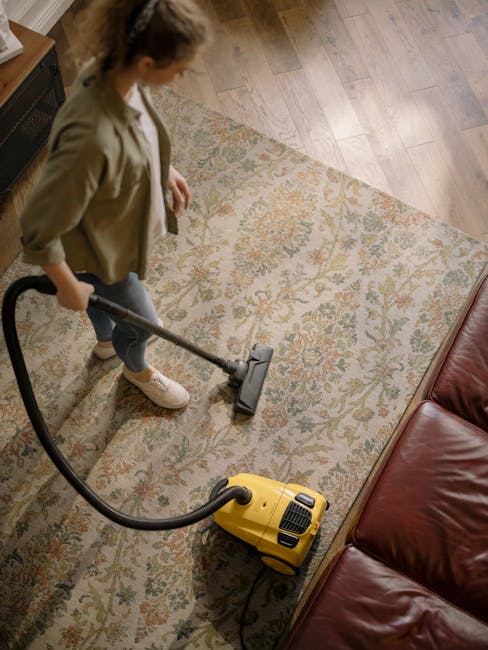
Common Mistakes to Avoid
Most carpet problems come from rushing, using the wrong product, or trying to make one solution do everything. That's the unglamorous truth.
- Soaking the carpet: Too much water leads to slow drying, odours, and possible backing damage.
- Scrubbing stains hard: This can spread the mark or roughen the pile. Dab, don't attack.
- Ignoring fibre type: Wool, synthetic, and blended carpets need different treatment.
- Using too much detergent: Residue attracts dirt and can make the carpet look dull again quickly.
- Skipping a test patch: A five-minute test can prevent a costly mistake.
- Cleaning at the wrong time of day: In flats, this may disturb neighbours. In shops, it may interrupt business.
- Forgetting edges and corners: These are the places where dust quietly builds up, then suddenly becomes obvious.
One more thing people overlook: furniture movement. In a small flat, dragging heavy items can crush carpet pile and leave marks. In a shop, rolling display stands or stock cages over damp carpet can undo the whole job. Move things carefully, or better still, remove them before you start.
Tools, Resources and Recommendations
You do not need a mountain of equipment, but the right basics make the job easier and cleaner.
- Good vacuum cleaner: Strong suction and a brush head suitable for carpets.
- Microfibre cloths or white towels: Useful for blotting spills and lifting moisture.
- Spot-treatment solution: Choose one that matches the carpet material and stain type where possible.
- Carpet grooming brush: Helpful for lifting pile after cleaning.
- Air movers or fans: Useful for speeding drying in a controlled way.
- Protective gloves: Sensible when using cleaning agents, especially in repeated work.
If you're trying to decide whether to handle the job yourself or bring in a specialist, the site's pricing and quotes page can help frame the decision, and carpet cleaners in Catford is the more direct place to explore professional support.
For broader household upkeep, a related read like house cleaning in Catford may also be useful if carpets are only one part of a bigger spring clean or tenant handover.
Law, Compliance, Standards, or Best Practice
For carpet cleaning in flats and shops, the main compliance issue is not usually a headline regulation as such; it's safe practice, responsible product use, and minimising risk to occupants, staff, and visitors. In the UK, cleaning work should be carried out with sensible attention to health and safety, material safety, and access control. That means reading product instructions, ventilating spaces where appropriate, and avoiding slippery floors while carpets are drying.
In shared buildings, you also need to be considerate about noise, timing, and access routes. In a shop, it's wise to plan around opening hours, emergency exits, and customer flow. If cleaning products are used in a workplace setting, they should be stored and used properly, with attention to safe handling. Nothing exotic. Just careful, boring competence, which is usually what people actually want.
It's also worth checking insurance and service terms before booking any outside help, especially where valuable stock, fixtures, or lease obligations are involved. If that matters to you, insurance and safety information and the site's terms and conditions are sensible places to look. For service standards and business values, about the company and health and safety policy are also relevant.
If you want to understand how the business handles customer information and payments, the pages on privacy policy and payment and security are worth a look. Those details may feel administrative, but they help build trust when you're letting someone into your flat or shop.
Options, Methods, or Comparison Table
Not every carpet needs the same approach. In fact, choosing the wrong method is one of the easiest ways to make a simple job messy. The table below gives a practical comparison for flats and shops.
| Method | Best for | Strengths | Trade-offs |
|---|---|---|---|
| Vacuum-only maintenance | Light upkeep between deeper cleans | Fast, low disruption, prevents grit build-up | Won't remove embedded stains or odours |
| Spot cleaning | Small spills, isolated marks, urgent treatment | Quick response, useful for flats and shop entrances | Can leave tide marks if used badly |
| Low-moisture cleaning | Busy spaces that need shorter drying times | Less water, faster return to use | May not suit all deep contamination |
| Hot water extraction | Deeper soil removal when carpets can dry properly | Strong cleaning power, good for heavy traffic | Needs careful drying and correct technique |
| Professional maintenance plan | Shops, rented flats, and high-use properties | Consistent results, less guesswork, easier scheduling | Costs more than occasional DIY cleaning |
In practical terms, flats often benefit from low-disruption methods, while shops lean towards scheduled maintenance that protects presentation. There's no one-size-fits-all answer. That's the annoying part, and also the useful part.
Case Study or Real-World Example
Here's a realistic example based on the kind of situation people around Catford Broadway often describe.
A small shop with a carpeted entrance keeps noticing dark lines where customers step in from the pavement. The inside looks tidy, the shelves are fine, but the front of the shop feels tired by late afternoon. The owner tries spot cleaning once a week, but the mark keeps returning. Meanwhile, a flat upstairs in the same building has a hallway carpet that picks up damp footprints and a bit of takeaway spill near the door.
The fix was not dramatic. First came a stricter entrance mat routine. Then a better vacuuming schedule for the high-traffic lanes. After that, the entrance carpet was cleaned with more careful moisture control, and the flat's hallway was treated with a smaller, more targeted clean rather than a full soak. Drying improved, the smell dropped, and the place simply felt better. Nothing magical. Just the right routine.
What stands out in that kind of scenario is this: the problem often looks like "dirty carpet", but the real issue is usually traffic management. If you control what gets into the carpet, you reduce what needs rescuing later.
Practical Checklist
Use this before you start, or before you book any professional help.
- Identify the carpet fibre if possible.
- Check for stains, wear, and delicate patches.
- Vacuum thoroughly before applying moisture.
- Test any cleaning product in a hidden area first.
- Keep water use controlled and consistent.
- Plan drying time around flat life or shop hours.
- Protect nearby furniture, skirting, stock, or displays.
- Use mats at entrances and busy transition points.
- Blot spills quickly instead of rubbing them.
- Check the final finish for residue, dampness, or missed marks.
Quick takeaway: the best carpet cleaning in flats and shops is usually the one that balances soil removal, drying speed, and low disruption. If you get those three things right, most of the rest follows naturally.
Get a free quote today and see how much you can save.
Conclusion
Catford Broadway carpet cleaning tips for flats and shops come down to one simple idea: treat the space for what it is. A flat needs low-disruption, careful cleaning that respects neighbours, drying time, and shared access. A shop needs presentation, speed, and a plan that works around opening hours and footfall. Both need regular maintenance, sensible product use, and a bit of patience.
When you choose the right method, clean the right areas in the right order, and avoid common mistakes, carpets stay fresher for longer and the whole space feels more looked after. That's the real value here. Not just cleaner fibres, but a room or shopfront that feels calm, presentable, and ready for people.
And honestly, that little lift matters more than most people think. A clean carpet changes the mood of a place. Quietly, but clearly.